
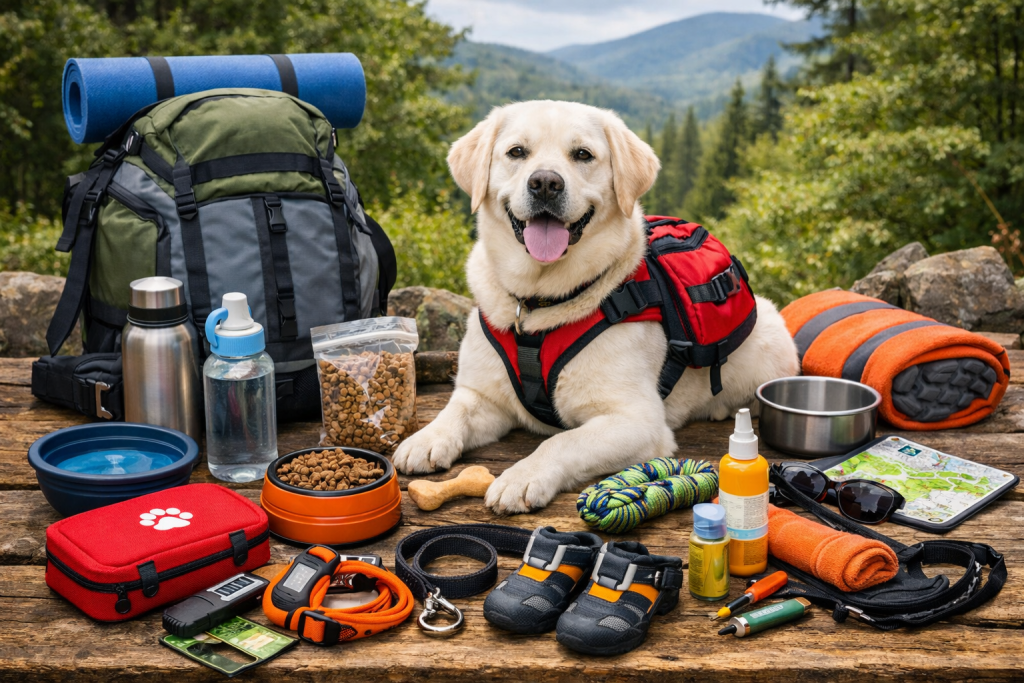
There has been growing interest and love for hiking with pets, especially dogs, during summer holidays. The adventure with man’s best friend is mutually beneficial, physically, socially, and psychologically. Like any other family adventure, the hike requires adequate planning to keep the dogs safe, hydrated, and comfortable in hot weather. Otherwise, it can be very difficult to manage your pet, or sourcing items you already have at home can become very expensive. This article is meant to provide you with a good checklist of things to carry and do to make the hiking experience safe, fun, easy, and memorable.
Research About The Place
First, you need to be sure that the trail you are visiting is accessible and that dogs are allowed. Also, research on what you must do or have to keep the dog and other hikers safe, including hygiene in the parks. During the summer. The weather may be extremely hot for the dog, and you may want to know if there are places where you can rest in the shade and have access to water points. Avoid extremely hot or rocky trails that may hurt paw pads. Find easy trails for first-time hikes. Consider shorter hikes for puppies, senior dogs, or brachycephalic breeds.
Carry Enough Water
The hot weather and long walks can quickly dehydrate dogs during summer hikes. To keep the pet healthy and strong, and to help it endure the hike, you need to give it water at regular intervals. The best way to carry water is by using collapsible dog water bottles and bowls. You may also use hydration packs. Don’t rely entirely on streams or lakes since some may contain harmful bacteria.
Pack High-Energy Dog Food
Consider bringing along high-calorie foods to supplement the energy expended while hiking. This prevents the dog from getting exhausted early and from developing stomach cramps from eating a lot of slow-digesting foods. Carry hiking burns instead, as they have extra calories, in addition to protein treats. Also pack a few packs of training snacks. Like water, the dog food is packed for serving in portions to avoid wastage or overfeeding. Give just enough food before the hike to reduce stomach discomfort.
Use a Secure Harness and Leash
When hiking, controlling the movement of your dog can be challenging if you let him walk freely. For easier and better control and fast movement, you will need to use a harness, which also reduces neck strain. Some of the most popular types of leashes are the hands-free leash for a wider range of use, the reflective leash for safety, and the shock-absorbing leash. Most of these leashes will also come with an identity tag to bear your updated contact information. If the dog strays and is found, you can be easily contacted. Alternatively, you may purchase a leash with a GPS tracker to monitor adventurous dogs.
Use a Protective Collar
During summer, it’s common to find sections where wild animals cross, with increased populations of fleas, ticks, mosquitoes, and other crawling insects. Having been in contact with wild animals, bites from these insects can cause severe diseases. Some people spray or apply powder to keep these pests off. However, these can cause side effects in your dog, including itching and sneezing.
However, using a protective collar is the most effective way to prevent pests, helping reduce the risk of tick-borne illnesses and avoiding chemicals that can cause skin irritation. For example, many reputable online shops for pets has a plant-based flea collar for dogs worth checking out, that are popular for its natural design that repels fleas, ticks, and mosquitoes with a combination of plant-based oils. These kinds of collars are also lightweight and comfortable for the dogs to wear all day and night.
Carry a Dog First Aid Kit
Same for humans, accidents also happen to pets, especially in new and rugged environments. For the sake of your dog’s health and saving him from possible injuries, a first aid kit is an essential part of your checklist. Ensure the kit has key items such as tweezers, bandages, antiseptic wipes, tick remover and gauze. If your dog is on medication, include them in the kit.
Bring Waste Bags
Finally, all public parks and nature trails have rules and regulations that ensure the environment is not littered or made annoying by animal waste. Be on the safe side of the law and carry waste bags to clean and collect after your dog. That also shows you respect other hikers and wildlife.